
Woodland Ecology Research Mentorship
Become a WERM!
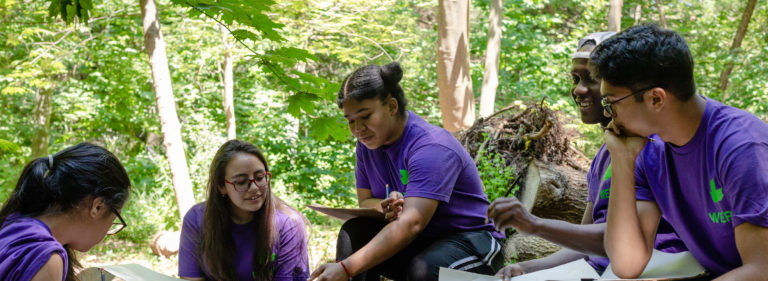
Wave Hill’s Woodland Ecology Research Mentorship (WERM) is a 14-month program offering motivated New York City high school students a unique opportunity to gain in-depth knowledge of ecology, and participate in hands-on fieldwork and authentic science research.
Wave Hill is part of a community of scientists and restoration practitioners working to improve New York City's 20,000 acres of natural areas. WERM interns directly contribute to these efforts by participating in important field research with local scientists and restoration practitioners―all while getting paid!
Applications for 2026 are now closed. Check back next winter for 2027 internships.
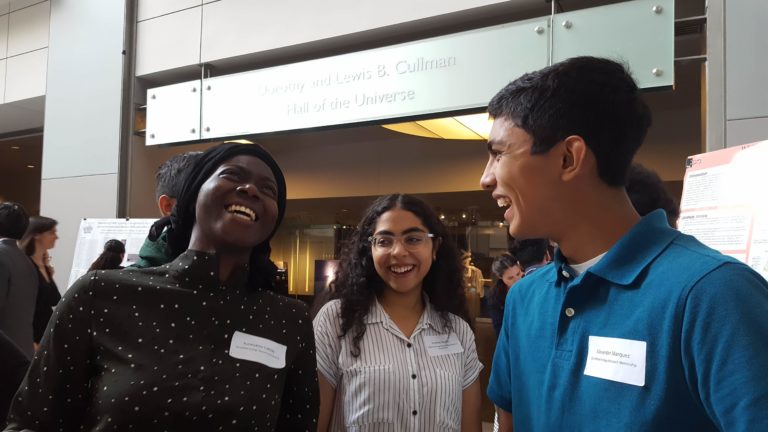
Participating in WERM showed me just how much I enjoyed the sciences, gave me the opportunity to work with such a diverse group of people and exposed me to the reality of what my future job could hold.
Qualifications and Compensation
Applicant Qualifications:
- Enrolled in high school
- 15 years old by July 1, 2026
- New York City resident eligible to work in the United States
- Strong interest in science research and the urban environment
- Ability and motivation to work independently
- Ability to work in unpaved natural areas, use heavy tools, and bend at the waist
- Ability to travel off-site as needed for various field trips to parks and cultural institutions
Available and committed to participating in all three phases of the internship
Due to its historic nature, the Ecology Building that houses the WERM program indoors at Wave Hill is not wheelchair or stroller accessible. There are three stone sets of stairs to enter the building and two indoor sets of stairs to the classroom space, totaling 28 stairs.
Benefits:
- Approximately $3,500, paid across the length of the program
- Credit for three college courses
- Career and college advice and training
- Access to Wave Hill alumni network
Program Phases
This program is broken up into 3 unique phases. Each phase grows the interns’ abilities as ecologists and researchers.
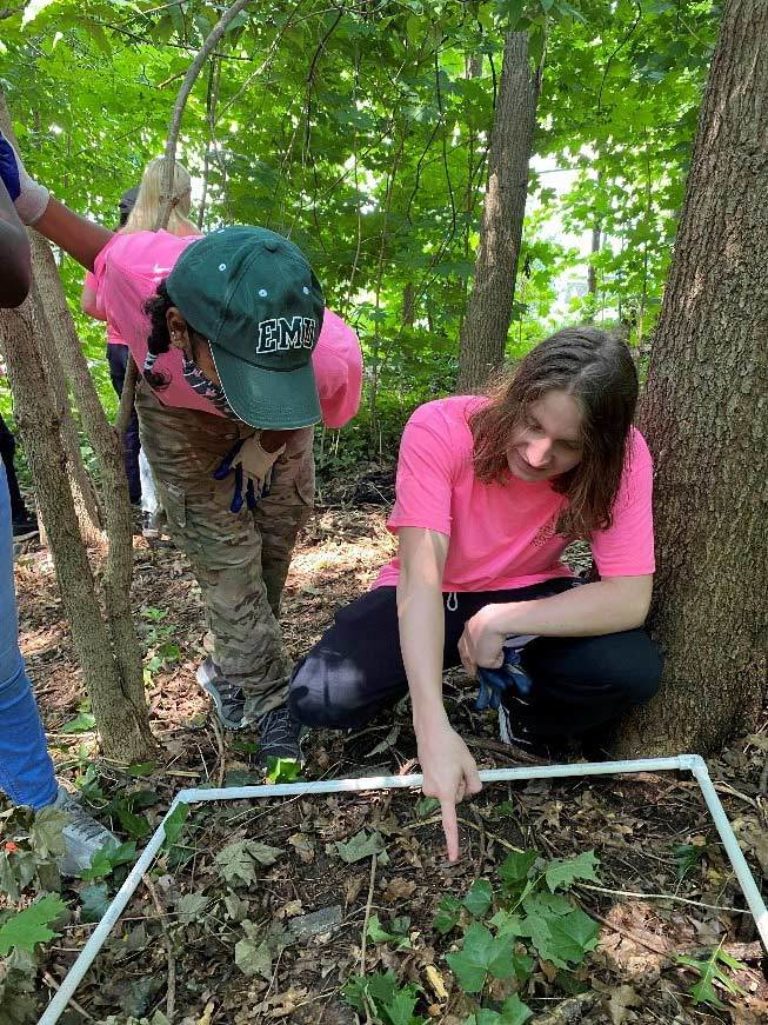
Phase I: First Summer
July to August
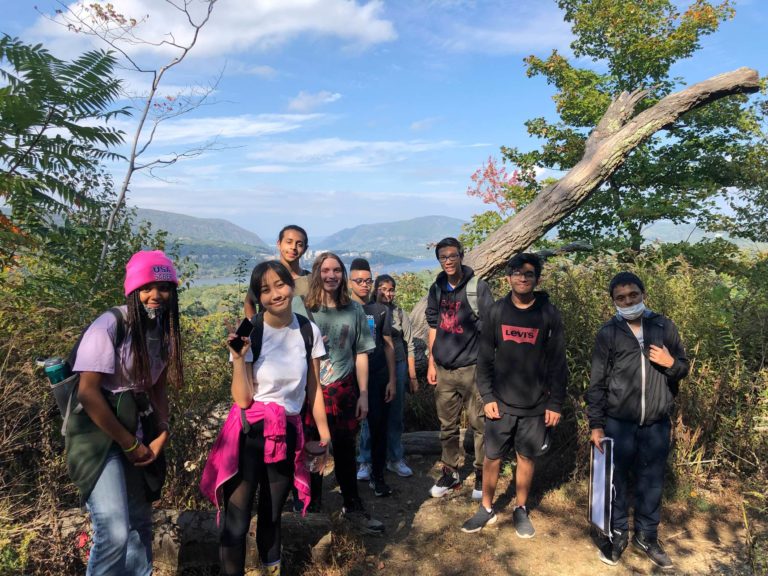
Phase II: Academic Year
September to June
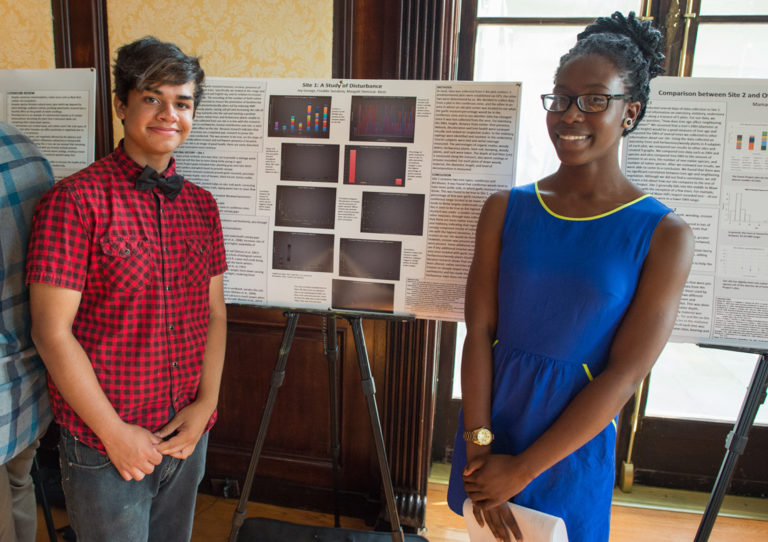
Phase III: Second Summer
July to August
Program Coursework
Interns will be enrolled in three separate college courses taught at Wave Hill and University of Mount Saint Vincent during the Woodland Ecology Research Mentorship program. The first two courses, Restoration of New York City’s Natural Areas and Mapping New York City’s Urban Environment—An Introduction to GIS, are taught during Phase 1 of the program and complement fieldwork activities being done at the same time. The third course, Research Methods, is taught during Phase 3 and complements the independent, mentored research projects that interns will be working on.
Who Should Apply
Ideal candidates for the WERM program have a strong interest in scientific research and the urban environment, and are looking to apply their academic enthusiasm and knowledge of the sciences to independent, hands-on fieldwork and research. Participants must be available for all 14 months of the WERM program to apply.
An important goal of the WERM program is addressing the barriers that prevent equal opportunity and support for careers in science and environmental work. We understand science is improved by a diversity of perspectives working together to understand our world. We encourage all NYC youth who are interested in urban ecology and committed to supporting their peers' learning to apply.
We particularly encourage applicants who identify as Black, Latinx, Indigenous and/or come from under-resourced schools and communities to apply.
Outreach and Recruitment
Wave Hill staff visit local schools, community centers and nonprofit organizations to give presentations about our engaging programs. Email youthprograms@wavehill.org if you would like to schedule a visit.
Download our flyer and share this opportunity with your students.
Wave Hill is grateful for the opportunity to work with our collaborating partners, the American Museum of Natural History, City University of New York Advanced Science Research Center, University of Mount St. Vincent, New York Botanical Garden, NYC Natural Areas Conservancy, NYC Parks Natural Resources Group, NYC Science Research Mentoring Consortium, SCI Network NYC, and the USDA Forest Service New York City Urban Field Station.